
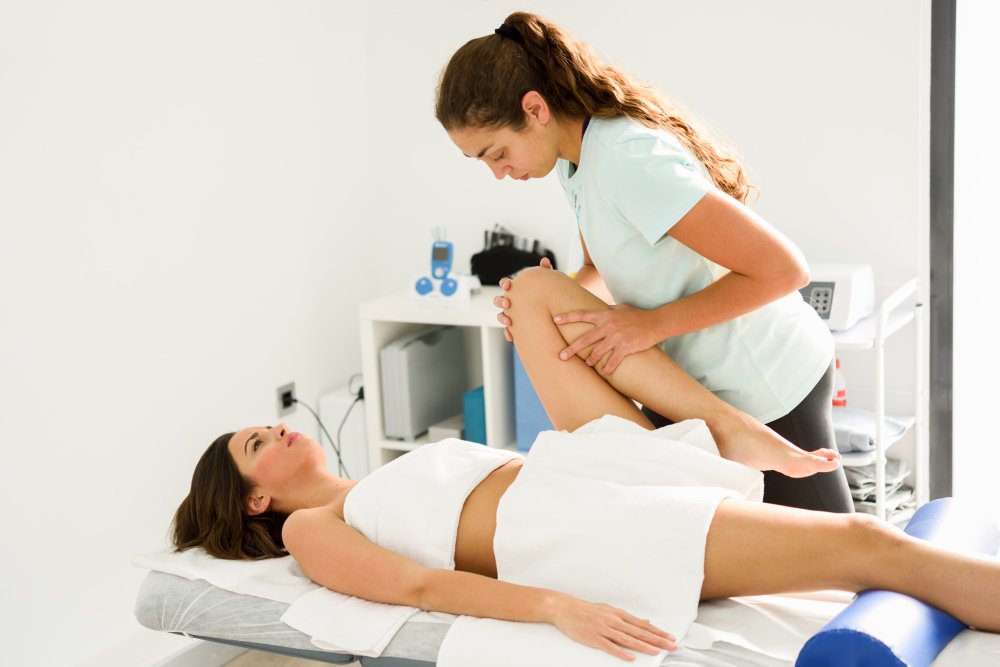
Pelvic Floor Physiotherapy is a specialized form of physiotherapy focused on the muscles, connective tissues, and surrounding structures that support the bladder, bowel, and reproductive organs. These muscles play an important role in bladder and bowel control, sexual function, core stability, and pelvic support.
At SA Miracle Health, pelvic floor physiotherapy begins with an individualized assessment to understand your symptoms, movement patterns, and functional needs. Your physiotherapist can then develop a personalized treatment plan that may include targeted exercises, movement retraining, education, and hands-on techniques when appropriate.
Key Benefits
- Improves pelvic floor muscle function: Targeted exercises can help improve the strength, coordination, and control of the pelvic floor muscles.
- Supports bladder control: Physiotherapy can help address certain types of urinary leakage and difficulties with bladder control.
- Supports bowel function: Appropriate pelvic floor training may help improve muscle coordination involved in bowel control.
- Helps during pregnancy and after childbirth: Individualized physiotherapy can support pelvic health during pregnancy and recovery following delivery.
- Supports recovery after pelvic surgery: A tailored rehabilitation programme can help restore strength, mobility, and functional movement following certain procedures.
- Improves core and pelvic stability: Pelvic floor exercises can be integrated with broader core and movement training.
- Supports comfortable movement: Addressing muscle weakness, excessive tension, or poor coordination may help improve everyday movement and physical function.
Experience & Aftercare
Your first appointment generally begins with a detailed discussion about your symptoms, medical history, lifestyle, and functional concerns. Your physiotherapist may then assess your posture, movement, breathing, abdominal and pelvic muscle function, depending on your individual needs.
Your treatment may include:
- Pelvic floor strengthening and coordination exercises
- Relaxation and breathing techniques
- Core and abdominal muscle training
- Posture and movement education
- Manual therapy when clinically appropriate
- Bladder and bowel habit education
- A personalized home exercise programme
After your session, you may be advised to:
- Follow your prescribed home exercises consistently.
- Avoid doing additional pelvic floor exercises beyond the recommended amount.
- Gradually increase activity according to your physiotherapist’s guidance.
- Pay attention to changes in symptoms and communicate them during follow-up appointments.
- Follow any specific pregnancy, postpartum, or post-surgical recommendations provided by your physiotherapist.
Is Pelvic Floor Physiotherapy Right for You?
Pelvic floor physiotherapy may be appropriate for people experiencing urinary or bowel control concerns, pelvic discomfort, pelvic floor weakness or tension, pregnancy-related changes, postpartum concerns, or difficulties returning to normal activities after certain pelvic procedures.
It can also be useful for people who want to improve pelvic floor coordination and function as part of rehabilitation.
Pelvic floor problems can have many different causes, so treatment should be individualized. Your physiotherapist will assess your symptoms and determine the most appropriate approach.
If you experience severe or unexplained pelvic pain, bleeding, sudden changes in bladder or bowel function, or other concerning symptoms, seek appropriate medical evaluation.
Why Choose Pelvic Floor Physiotherapy at SA Miracle Health?
- Individualized pelvic health assessment.
- Personalized physiotherapy treatment plans.
- Evidence-informed exercise and rehabilitation approaches.
- Guidance from trained physiotherapy professionals.
- Focus on improving strength, coordination, mobility, and functional movement.
- Support throughout pregnancy and postpartum rehabilitation when appropriate.
- A comfortable and respectful environment for discussing sensitive pelvic health concerns.